
Certificate: View Certificate
Published Paper PDF: View PDF
Shreya Menon
Independent Researcher
Kerala, India
Abstract
Emotional exhaustion—characterized by chronic physical and emotional depletion—has emerged as a critical concern in hybrid learning environments, where college students must continually adapt to alternating in‑person and virtual modalities. This study, grounded in the Maslach Burnout Inventory–Student Survey (MBI‑SS), surveyed 450 undergraduates across diverse disciplines to quantify exhaustion levels and identify key predictors. Beyond confirming that 62% of students experience moderate to high exhaustion, our findings reveal nuanced interplays among academic workload imbalance, digital fatigue, self‑regulation capabilities, and social support. Importantly, workload imbalance and digital fatigue jointly account for over 40% of the variance in exhaustion, underscoring how fluctuating deadlines and extended screen time strain students’ cognitive resources and emotional resilience. Self‑regulation—a skill set encompassing goal‑setting, time management, and adaptive learning strategies—emerges as a potent buffer, reducing exhaustion by nearly 35% when high. Additionally, perceived social support from peers and instructors not only mitigates direct exhaustion but also mediates the detrimental impact of digital fatigue on well‑being, highlighting the value of connected learning communities. Mediation analyses further demonstrate that students with robust support networks maintain higher academic engagement despite exhaustion, illustrating dual protective pathways. These insights underscore the multifaceted nature of burnout in hybrid contexts and point to actionable interventions: balanced course design, targeted self‑regulation training, and structured peer‑support mechanisms. By addressing both technological and psychosocial dimensions, institutions can foster environments where flexibility enhances learning without compromising student well‑being.
Keywords
Emotional exhaustion; hybrid semester; college students; burnout; digital fatigue; self‑regulation; academic engagement
References
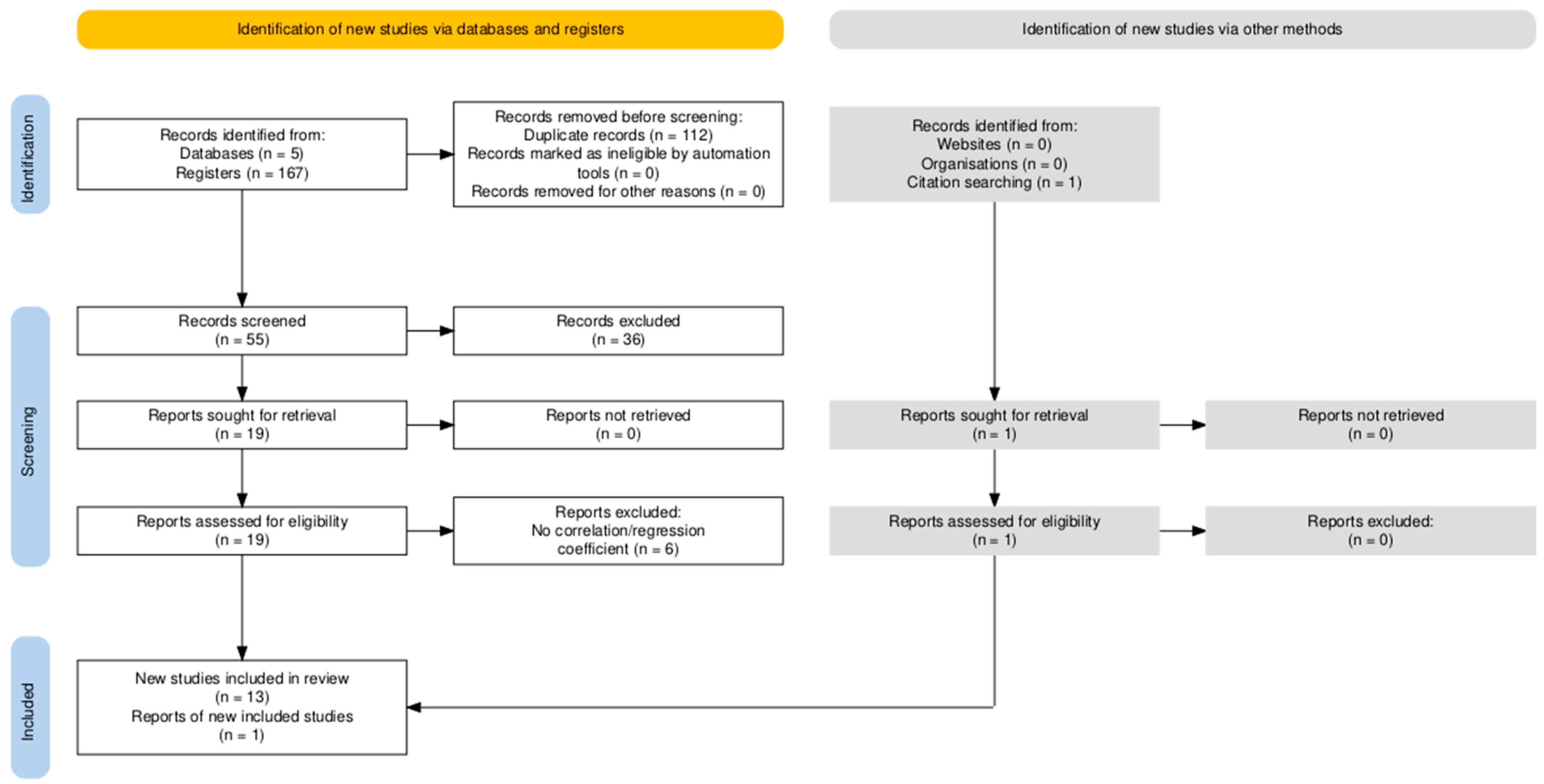
- https://pub.mdpi-res.com/healthcare/healthcare-13-00393/article_deploy/html/images/healthcare-13-00393-g001.png?1739351380
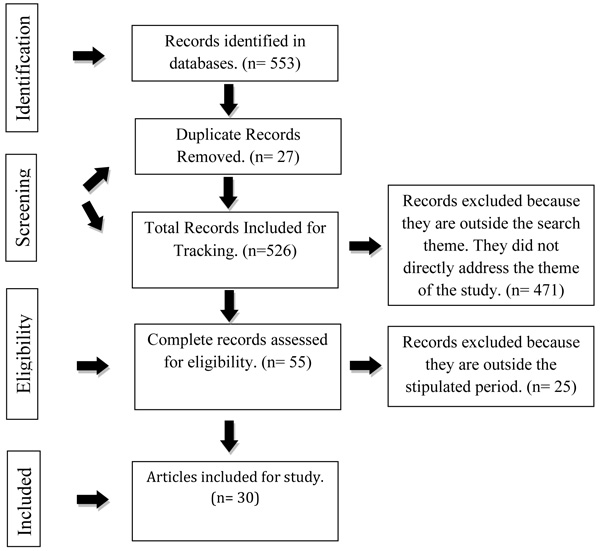
- https://benthamopen.com/contents/figures/CPEMH/CPEMH-15-64_F1.jpg
- Barnard, L., Lan, W. Y., To, Y. M., Paton, V. O., & Lai, S.-L. (2009). Measuring self‑regulation in online and blended learning environments. Internet and Higher Education, 12(1), 1–6. https://doi.org/10.1016/j.iheduc.2008.10.005
- Bakker, A. B., Demerouti, E., & Schaufeli, W. B. (2004). The crossover of burnout and work engagement among working couples. Human Relations, 57(5), 661–689. https://doi.org/10.1177/0018726704045002
- Breso, E., Salanova, M., & Schaufeli, W. B. (2014). In search of the “third dimension” of burnout: Efficacy or inefficacy? Applied Psychology, 63(3), 358–385. https://doi.org/10.1111/apps.12014
- Broadbent, J., & Poon, W. L. (2015). Self‑regulated learning strategies & academic achievement in online higher education learning environments: A systematic review. Internet and Higher Education, 27, 1–13. https://doi.org/10.1016/j.iheduc.2015.04.007
- Dyrbye, L. N., Thomas, M. R., & Shanafelt, T. D. (2008). Medical student distress: Causes, consequences, and proposed solutions. Mayo Clinic Proceedings, 83(3), 161–176. https://doi.org/10.4065/83.3.161
- Garrison, D. R., & Kanuka, H. (2004). Blended learning: Uncovering its transformative potential in higher education. The Internet and Higher Education, 7(2), 95–105. https://doi.org/10.1016/j.iheduc.2004.02.001
- House, J. S. (1981). Work stress and social support. Addison‑Wesley.
- Maslach, C., Schaufeli, W. B., & Leiter, M. P. (2001). Job burnout. Annual Review of Psychology, 52, 397–422. https://doi.org/10.1146/annurev.psych.52.1.397
- Salmela‑Aro, K., Kiuru, N., & Nurmi, J.-E. (2008). The role of educational tracking in students’ school burnout: A person‑centered approach. Journal of Educational Psychology, 100(1), 22–39. https://doi.org/10.1037/0022‑0663.100.1.22
- Schaufeli, W. B., Martínez, I. M., Pinto, A. M., Salanova, M., & Bakker, A. B. (2002). Burnout and engagement in university students: A cross‑national study. Journal of Cross‑Cultural Psychology, 33(5), 464–481. https://doi.org/10.1177/0022022102033005003
- Zimet, G. D., Dahlem, N. W., Zimet, S. G., & Farley, G. K. (1988). The Multidimensional Scale of Perceived Social Support. Journal of Personality Assessment, 52(1), 30–41. https://doi.org/10.1207/s15327752jpa5201_2