
Certificate: View Certificate
Published Paper PDF: View PDF
Vipin Sharma
Independent Researcher
Delhi, India
Abstract
This study examines how various aspects of the home environment shape online learning behaviors among secondary and tertiary students, integrating ecological systems theory with self‑regulated learning frameworks to provide a multifaceted perspective. Drawing on data from a large‑scale survey (n = 612) and in‑depth interviews (n = 24), we evaluate the influence of physical space, technological resources, parental involvement, and socio‑emotional climate on engagement patterns, time management, interaction frequency, help‑seeking, and academic persistence. Quantitative findings demonstrate that dedicated learning spaces, reliable internet connectivity, and proactive parental support significantly predict self‑regulated learning behaviors (β = 0.42–0.57, p < .001), cumulatively explaining 42% of variance in online study strategies. Qualitative narratives reveal how students creatively negotiate space constraints, deploy offline workarounds during connectivity lapses, and draw motivational strength from family routines and emotional scaffolding. Importantly, our results highlight that, beyond mere resource availability, the quality of family communication and emotional climate can either bolster motivation or exacerbate distraction and anxiety. By elucidating these dynamics, the study contributes novel insights into how home environments can be optimized for digital pedagogy. Recommendations include establishing clear spatial routines, ensuring equitable technology access, offering parent education on balanced involvement, and designing online curricula with built‑in flexibility to accommodate diverse home contexts. Limitations—such as cross‑sectional design and cultural homogeneity—are acknowledged. The paper concludes by proposing lines of inquiry for longitudinal monitoring, intervention testing, and cross‑cultural validation, underscoring the enduring importance of adaptive home support systems in sustaining effective remote and hybrid learning models.
Keywords
Home environment; online learning behaviors; self-regulation; physical space; parental support
References
- https://www.researchgate.net/publication/371004108/figure/fig2/AS:11431281161292395@1684956196364/Flow-chart-of-online-learning-behaviors-of-college-student.ppm
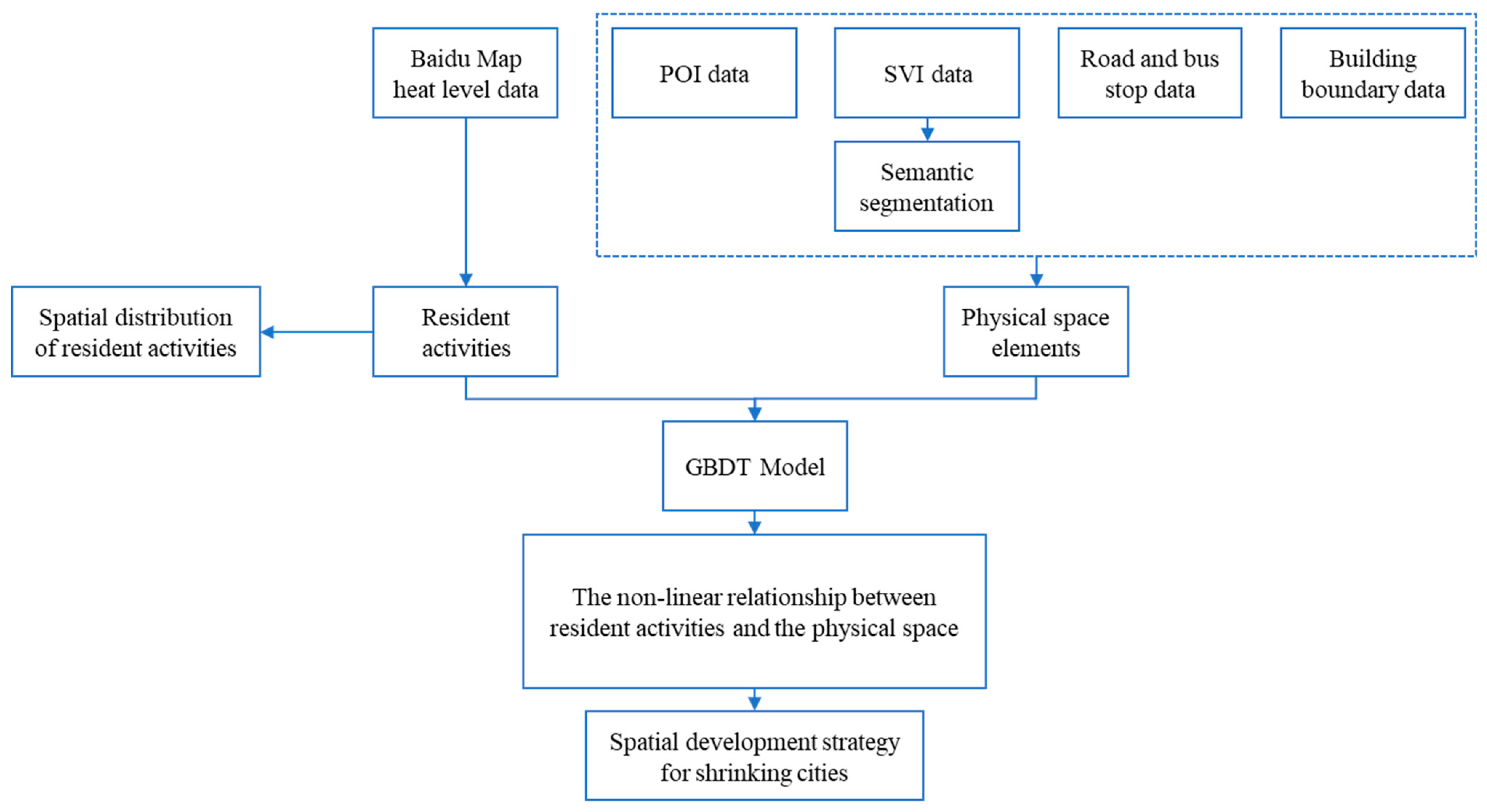
- https://www.mdpi.com/land/land-13-00515/article_deploy/html/images/land-13-00515-g001.png
- Braun, V., & Clarke, V. (2006). Using thematic analysis in psychology. Qualitative Research in Psychology, 3(2), 77–101.
- Broadbent, J., & Poon, W. L. (2015). Self‑regulated learning strategies & academic achievement in online higher education learning environments: A systematic review. The Internet and Higher Education, 27, 1–13.
- Bronfenbrenner, U. (1979). The ecology of human development: Experiments by nature and design. Harvard University Press.
- Creswell, J. W., & Plano Clark, V. L. (2011). Designing and conducting mixed methods research (2nd ed.). SAGE Publications.
- Deci, E. L., & Ryan, R. M. (2000). The “what” and “why” of goal pursuits: Human needs and the self‑determination of behavior. Psychological Inquiry, 11(4), 227–268.
- Elmore, C., & Huebner, E. S. (2010). Family stress, student‐teacher relationship quality, and grade point average: A structural equation model. Journal of Psychoeducational Assessment, 28(3), 264–274.
- Evans, G. W., Maxwell, L. E., & Hart, B. (1999). Parental language and verbal responsiveness to children’s cognitive development. Journal of Applied Developmental Psychology, 20(1), 69–84.
- Hsieh, G., & Kashi, K. (2018). Investigating the impact of physical workspace on student concentration in online learning. Computers & Education, 127, 104–115.
- Hoover‑Dempsey, K. V., & Sandler, H. M. (1997). Why do parents become involved in their children’s education? Review of Educational Research, 67(1), 3–42.
- Jackson, L. A., Ervin, K. S., Gardner, P. D., & Schmitt, N. (2001). Gender and the digital divide. Sociological Inquiry, 71(4), 517–530.
- Maxwell, L. E. (2016). Home environment and children’s academic performance: The role of physical space quality. Early Childhood Research Quarterly, 36, 98–110.
- Means, B., Toyama, Y., Murphy, R., Bakia, M., & Jones, K. (2014). Evaluation of evidence‑based practices in online learning: A meta‑analysis and review of online learning studies. U.S. Department of Education.
- Pintrich, P. R. (2004). A conceptual framework for assessing motivation and self‑regulated learning in college students. Educational Psychology Review, 16(4), 385–407.
- Pintrich, P. R., Smith, D. A. F., Garcia, T., & McKeachie, W. J. (1991). A manual for the use of the Motivated Strategies for Learning Questionnaire (MSLQ). National Center for Research to Improve Postsecondary Teaching and Learning.
- Ramdass, H., & Zimmerman, B. J. (2011). Developing self‑regulation skills: The important role of homework. Journal of Advanced Academics, 22(2), 194–218.
- Skinner, E. A., & Belmont, M. J. (1993). Motivation in the classroom: Reciprocal effects of teacher behavior and student engagement across the school year. Journal of Educational Psychology, 85(4), 571–581.
- Zimmerman, B. J. (2002). Becoming a self‑regulated learner: An overview. Theory Into Practice, 41(2), 64–70.
- Zimmerman, B. J., & Kitsantas, A. (2014). Comparing students’ self‑discipline and self‑regulation measures and their prediction of academic achievement. Contemporary Educational Psychology, 39(2), 145–155.